

Centralised vs Decentralised Crypto Wallets: Which is Right for You in 2025?
When you’re ready to dive into cryptocurrency, one of the most critical decisions you’ll make is choosing the right wallet. But here’s where it gets confusing: not all crypto wallets are created equal. The cryptocurrency world is divided into two fundamentally different approaches — centralised (custodial) and decentralised (non-custodial) wallets — and understanding the distinction can mean the difference between a smooth crypto experience and a nightmare scenario where you lose access to your funds forever.
With over 420 million crypto users worldwide as of 2023, and that number growing rapidly, choosing the right wallet type isn’t just a technical decision — it’s a philosophical one that affects your security, convenience, and control over your digital assets.
Let’s break down exactly what these wallet types mean, how they differ, and which one makes the most sense for your specific situation.
Understanding the Fundamental Difference
Before we dive into the details, let’s establish what we’re actually talking about.
What is a Centralised (Custodial) Wallet?
Centralised wallets are managed by a single entity which holds custody of your assets, similar to traditional banking where a financial institution safeguards your funds. When you use a centralised wallet, the platform controls your private keys — the cryptographic codes that prove ownership of your cryptocurrency.
Think of it like a traditional bank account. You have a username and password to access your account, but the bank actually holds your money and manages the infrastructure. If you forget your password, you can reset it through customer service. If something goes wrong, you have someone to call.
Popular examples include wallets provided by major exchanges like Coinbase, Binance, Kraken, and Gemini.
What is a Decentralised (Non-Custodial) Wallet?
Decentralised wallets give users complete control over their private keys and assets, with no intermediary involvement — only the key owner can sign transactions and control their assets. You are the bank. You hold the keys, you authorise all transactions, and you’re responsible for everything.
The blockchain community has a famous saying: “Not your keys, not your coins.” This refers to the fact that centralised exchanges retain custody over users’ assets held on the exchange, whilst decentralised wallet users have full control over their digital assets.
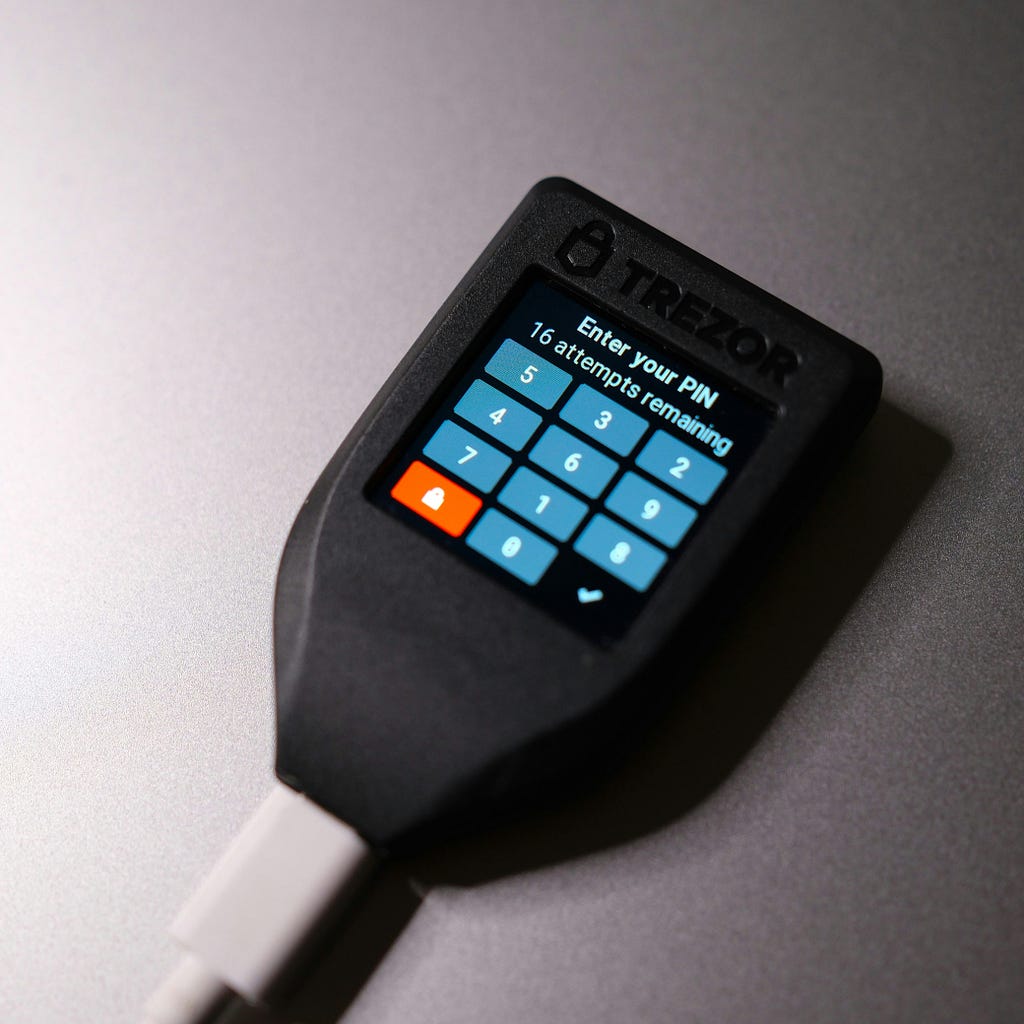
Popular examples include MetaMask, Trust Wallet, Ledger hardware wallets, and Trezor.
The Core Differences: What Actually Sets Them Apart
Control Over Private Keys
The fundamental distinction between centralised and decentralised wallets lies in who controls the private keys — with centralised wallets, the platform holds these keys, creating a custodial relationship where you’re trusting them to safeguard your assets.
With decentralised wallets, you maintain sole possession of your private keys and complete responsibility for your funds. There’s no intermediary who can freeze your account, deny your withdrawal, or lose your funds on your behalf. But this also means if you lose your keys, there’s no recovery option.
Account Recovery and Support
This is perhaps the most significant practical difference for most users.
Centralised Wallets: If users lose access to their accounts or forget their passwords, centralised exchanges and wallet providers offer recovery methods through identification verification or alternative techniques, and you can contact customer support to fix the issue and regain access.
Decentralised Wallets: If the user loses their private key or seed phrase, there is no way to recover access to the funds — a famous case involves a programmer who forgot the passphrase to a wallet holding seven thousand Bitcoin and lost access permanently, with Chainalysis estimating that about twenty per cent of all Bitcoin are irretrievably lost due to forgotten seed phrases.
Let that sink in: 20% of all Bitcoin — worth hundreds of billions of pounds — is permanently lost because people misplaced or forgot their private keys.
User Experience and Interface
Centralised wallet providers have clear and user-friendly interfaces in which it is tricky for the user to get lost, with everything made accessible to understand so that everyone can enjoy using a centralised wallet on the platform.
When it comes to accessibility and user experience, centralised wallets are designed with simplicity in mind, with user-friendly interfaces allowing even those new to the crypto space to navigate, buy, sell, and manage their assets with ease.
Decentralised wallets, whilst improving, often require more technical knowledge to manage private keys, understand fees, connect to networks, and navigate more complex interfaces.
Anonymity and Privacy
Because centralised wallets are controlled by central entities, most are governed by regulation in many markets, meaning you’ll need to complete certain steps such as proving who you are, whilst anyone can open a decentralised wallet and be mostly anonymous.
Centralised exchanges are required by federal regulations to collect users’ personal information at the time of registration, with users likely needing to provide personal data and identification to comply with Know Your Customer (KYC) and Anti-Money Laundering (AML)rules.
If privacy is your top priority, decentralised wallets offer significantly more anonymity since they don’t collect or store personal information.
Security Considerations
Both wallet types have different security profiles with distinct risks:
Centralised Wallets: These wallets employ advanced security technologies such as encryption and multi-factor authentication to protect assets, however they come with the risk of a single point of failure. When centralised providers store large amounts of funds, they become attractive targets for cybercriminals, with the histories of Mt. Gox, Coincheck, and FTX showing that complete control by a third party carries significant risk of losing users’ assets.
Decentralised Wallets: There’s no central target for hackers since keys are distributed across users, and transactions are confirmed directly on the blockchain by the user without waiting for approval from an intermediary. However, if users improperly store seed phrases or enter them on compromised devices, they risk losing funds entirely, with phishing attacks posing the greatest threat as attackers often impersonate wallet support teams.
Centralised Wallets: Advantages and Disadvantages
The Advantages
Professional Customer Support
Centralised wallet providers ensure users with fast and helpful customer support which will be able to answer any questions and help solve problems at any time. When you’re dealing with your hard-earned money, having someone to call is invaluable.
Account Recovery Options
Unlike decentralised wallets where lost keys mean permanently lost funds, centralised platforms provide multiple recovery methods including identity verification, security questions, and customer service assistance.
User-Friendly Experience
Centralised wallets offer convenience, user-friendliness, and professional support, making them suitable for beginners and frequent traders. The learning curve is minimal — if you can use online banking, you can use a centralised crypto wallet.
Integrated Services
Centralised wallets typically come with built-in features like fiat on-ramps (buying crypto with credit cards or bank transfers), integrated exchanges for swapping tokens, and seamless connections to trading platforms.
Regulatory Compliance
Being regulated provides a level of legitimacy and legal protection. Whilst this means less privacy, it also means the platform operates under government oversight and consumer protection laws.
Professional Security Infrastructure
Reputable centralised wallet providers invest heavily in security, employing dedicated teams, implementing cold storage for the majority of funds, maintaining insurance policies, and conducting regular security audits.
The Disadvantages
Loss of Control
Those who use a centralised wallet generally have no access to private keys, which goes against the principle of blockchain to some extent and poses a significant risk to asset owners in case of dishonest third-party administration.
Single Point of Failure
When one entity controls everything, that entity becomes a target. Exchange hacks, bankruptcies, and government seizures have resulted in users losing access to their funds despite doing nothing wrong themselves.
Privacy Concerns
You must provide personal information and go through KYC verification, meaning the platform knows exactly who you are and what you’re doing with your crypto.
Potential Account Restrictions
Centralised platforms can freeze accounts, deny withdrawals, or impose restrictions based on company policies or government regulations — even if you’ve done nothing illegal.
Platform Dependency
Your access to your funds depends entirely on the platform’s continued operation. If the company goes out of business or faces technical issues, you may temporarily or permanently lose access.
Decentralised Wallets: Advantages and Disadvantages
The Advantages
Complete Control
Only the user controls private keys and assets — the wallet cannot be frozen without their involvement, with transactions confirmed directly on the blockchain by the user without waiting for approval from an intermediary.
No Single Point of Failure
Keys are distributed across users with no central target for hackers, unlike centralised providers that store large amounts of funds making them attractive targets.
Enhanced Privacy
KYC is usually not required, allowing you to transact with relative anonymity. Your personal information isn’t stored in any database that could be hacked or subpoenaed.
True Ownership
You actually own your cryptocurrency in the purest sense. There’s no intermediary who can deny you access or control what you do with your funds.
Access to Decentralised Applications
Only decentralised wallets can access decentralised applications or dApps, so if one of your primary reasons for acquiring cryptocurrency is to use the growing number of dApps available, only a decentralised wallet will do.
Censorship Resistance
No government or company can freeze your wallet or prevent you from transacting. Your funds are truly yours in a way that centralised wallets can never provide.
The Disadvantages
Permanent Loss Risk
If the user loses their private key or seed phrase, there is no way to recover access to the funds. This isn’t a theoretical risk — billions of pounds in cryptocurrency are permanently lost due to forgotten passwords and misplaced seed phrases.
Steep Learning Curve
Managing decentralised wallets requires more knowledge to handle private keys, understand fees, connect to networks, and navigate technical complexities.
No Customer Support
Without a central entity to turn to, it’s more difficult to get support for decentralised wallets when things go wrong or don’t work as intended. You’re relying on community forums and documentation rather than dedicated customer service teams.
User Responsibility
You’re responsible for everything — security, backups, updates, and protecting yourself from scams. One mistake can cost you everything.
Physical Device Limitations
With hardware wallets (a type of decentralised wallet), physical access to the device is required, meaning urgent transfers may not be possible if the device is unavailable.
Who Should Use Centralised Wallets?
Centralised wallets make the most sense for:
Cryptocurrency Beginners: If you’re new to the world of cryptocurrency and prioritise ease of use and support, a centralised wallet might be the best choice. The user-friendly interface and available customer support make the learning curve much gentler.
Frequent Traders: Those who engage in frequent transactions will appreciate the speed and convenience of centralised wallets. Integrated exchange features and quick transaction processing are ideal for active trading.
Users Who Value Convenience: If you prefer a hassle-free experience and are willing to trade some control for convenience, centralised wallets are a good fit. The ability to reset passwords and contact support provides peace of mind.
People Worried About Losing Access: If the thought of permanently losing your funds because you misplaced a piece of paper terrifies you, centralised wallets with their recovery options are the safer choice.
Those Who Want Fiat Integration: If you need easy ways to convert between traditional currency and cryptocurrency, centralised wallets with built-in on-ramps and off-ramps are essential.
Business Users: Companies accepting cryptocurrency payments often prefer centralised solutions for their integrated accounting features, regulatory compliance, and customer support.
Who Should Use Decentralised Wallets?
Decentralised wallets are better suited for:
Privacy Advocates: If maintaining anonymity is crucial and you don’t want your identity tied to your crypto transactions, decentralised wallets are the only real option.
Long-Term Holders: If you’re buying crypto as a long-term investment and don’t need frequent access, decentralised storage (particularly hardware wallets) provides maximum security.
DeFi and dApp Users: If you want to interact with decentralised finance protocols, NFT marketplaces, or other blockchain applications, decentralised wallets are essential as they’re the only type that can connect to these platforms.
Crypto Purists: If you believe in the fundamental principles of cryptocurrency — decentralisation, self-sovereignty, and freedom from institutional control — decentralised wallets align with these values.
Tech-Savvy Users: If you’re comfortable managing technical aspects like seed phrases, private keys, and network configurations, and understand the risks involved, decentralised wallets give you maximum control.
Users in Restrictive Regions: If you live in an area with strict capital controls or government restrictions on cryptocurrency, decentralised wallets provide censorship-resistant access to your funds.
The Hybrid Approach: Can You Use Both?
Here’s a secret many experienced crypto users embrace: you don’t have to choose just one.
Many people use a hybrid strategy:
- Centralised wallet for daily transactions, active trading, and smaller amounts
- Decentralised wallet (especially hardware wallets) for long-term holdings and larger amounts
This approach balances convenience with security, giving you the best of both worlds. You get easy access for regular use whilst keeping the bulk of your assets in cold storage where they’re safest.
Making Your Decision: Key Questions to Ask Yourself
Before choosing your wallet type, consider these questions:
- How comfortable am I with technology and managing technical details?
- High comfort → Decentralised might work
- Low comfort → Centralised is safer
2. What happens if I lose my password or seed phrase?
- Want recovery option → Centralised
- Can manage backups yourself → Decentralised
3. How important is privacy to me?
- Very important → Decentralised
- Less important → Centralised
4. Do I need to interact with DeFi protocols or dApps?
- Yes → Must use decentralised
- No → Either works
5. How much am I investing?
- Large amounts → Consider decentralised for security
- Smaller amounts → Centralised for convenience
6. How often will I access my crypto?
- Daily/weekly → Centralised is more convenient
- Rarely → Decentralised is fine
7. Do I trust myself more than I trust a company?
- Trust myself → Decentralised
- Trust established companies → Centralised
Why SIQO Chose the Centralised Approach
SIQO was designed with a clear philosophy: cryptocurrency should be accessible to everyone, not just tech experts. Whilst decentralisation has its place in the crypto ecosystem, we recognised that the majority of users prioritise three things above all else: security without complexity, convenience without compromise, and support when they need it.
That’s why SIQO operates as a centralised multi-asset wallet, combining professional-grade security infrastructure with the user experience you’d expect from modern financial technology.
You get the convenience of a centralised platform:
- Intuitive interface designed for users of all experience levels
- 24/7 customer support from knowledgeable teams
- Account recovery options so you never permanently lose access
- Seamless fiat integration for buying and selling crypto easily
- Built-in exchange features for managing your portfolio
With security you can trust:
- Multi-factor authentication and biometric login
- Professional security teams monitoring threats 24/7
- Cold storage for the majority of funds
- Regular security audits by third-party experts
- Compliance with regulatory standards
And the peace of mind that comes from knowing:
- You can recover your account if something goes wrong
- There’s always someone to help when you need assistance
- Your assets are protected by insurance policies
- The platform operates under regulatory oversight
SIQO understands that for most people, the risk of losing access to their funds due to a misplaced seed phrase far outweighs the theoretical benefits of complete decentralisation. We’ve seen too many stories of people losing life-changing amounts of cryptocurrency because they forgot a password or lost a piece of paper with their recovery phrase.
The centralised approach isn’t about compromising on cryptocurrency’s promise — it’s about making that promise accessible to everyone, not just the technically inclined.
The Bottom Line: It’s About Your Needs, Not Ideology
The debate between centralised and decentralised wallets often becomes ideological, with crypto purists insisting that self-custody is the only “true” way to hold cryptocurrency. But the reality is more nuanced.
Centralised wallets offer convenience, user-friendliness, and professional support, making them suitable for beginners and frequent traders, whilst decentralised wallets provide enhanced privacy, user control, and interoperability, making them ideal for advanced users.
Neither option is objectively “better” — they serve different purposes and different users. The best choice is the one that aligns with your specific situation, technical comfort level, and priorities.
For the vast majority of cryptocurrency users — especially those new to the space or those who value convenience and peace of mind — centralised wallets like SIQO provide the optimal balance of security, functionality, and user experience.
The goal isn’t to be the most decentralised user in the room. The goal is to successfully participate in the cryptocurrency economy in a way that works for you, protects your assets, and doesn’t cause unnecessary stress or complexity.
Choose the wallet that helps you achieve that goal. For most people, that’s a well-designed, professionally managed, centralised solution that puts user experience first.
Ready to experience cryptocurrency the way it should be? Discover how SIQO’s centralised multi-asset wallet provides the perfect balance of security, convenience, and support for managing your digital assets with confidence.